Learn·Ingredients
SPF: the one product that does the most
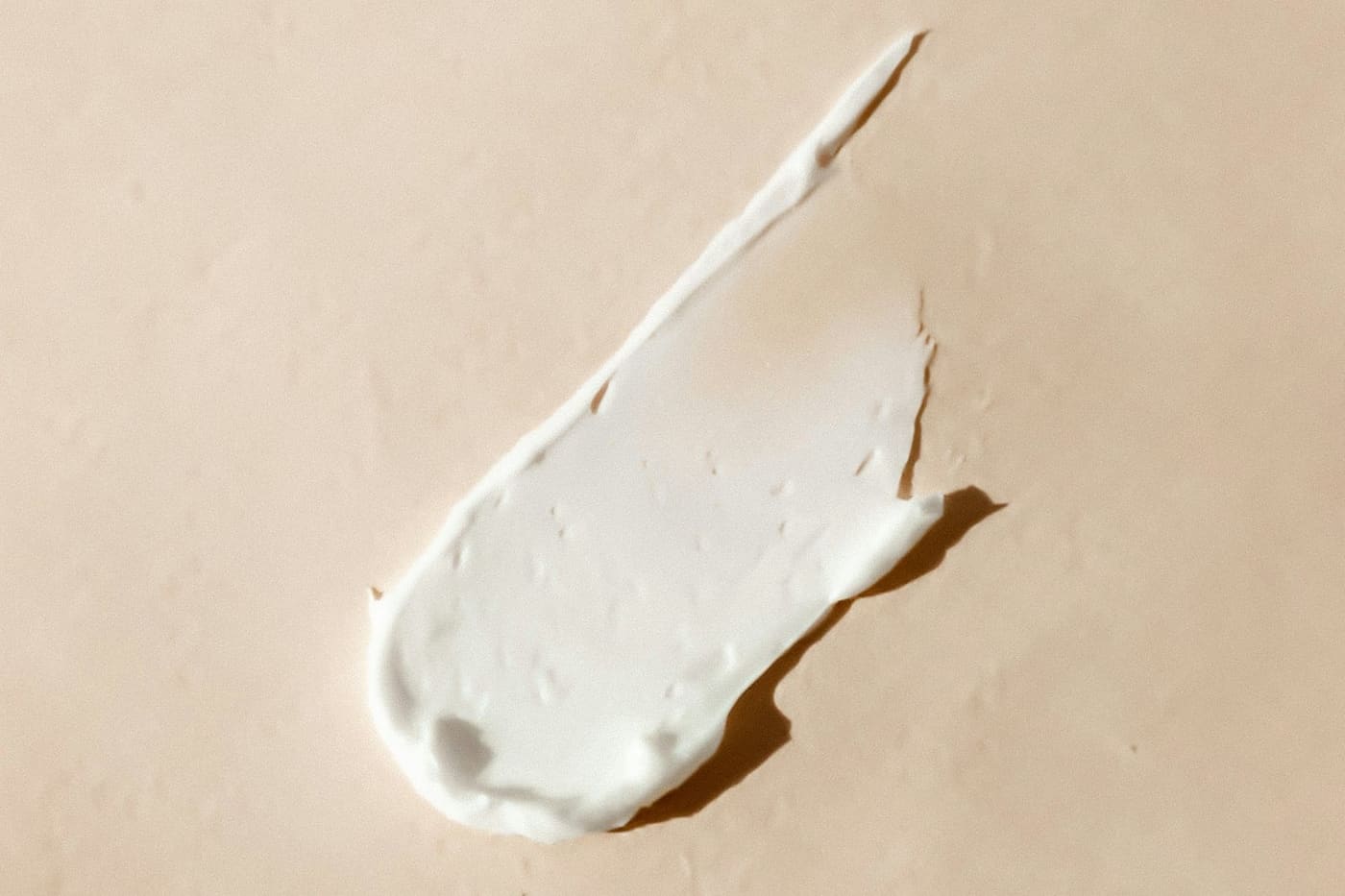
If you kept only one product and threw out the rest, it should be sunscreen. Most of what the other products in your routine are trying to fix later, uneven tone, dark spots, loss of firmness, fine lines, is largely driven by sun exposure in the first place. Daily UV is the single biggest factor in how skin ages that you can actually control. Sunscreen is the closest thing skincare has to prevention.
UVA and UVB do different damage
Sunlight reaches your skin as two kinds of ultraviolet, and they cause different problems.
- UVB is the burning ray. It hits the surface and is behind sunburn and most immediate visible damage. The SPF number on the bottle mostly measures UVB protection.
- UVA is the aging ray. It penetrates deeper, drives collagen breakdown and pigmentation, and passes through cloud and window glass. It doesn't announce itself with a burn, which is exactly why it's easy to underrate.
The word to look for is broad spectrum, which means the sunscreen covers both. An SPF number alone tells you nothing about UVA. Some regions use a separate PA rating for that.
Mineral or chemical
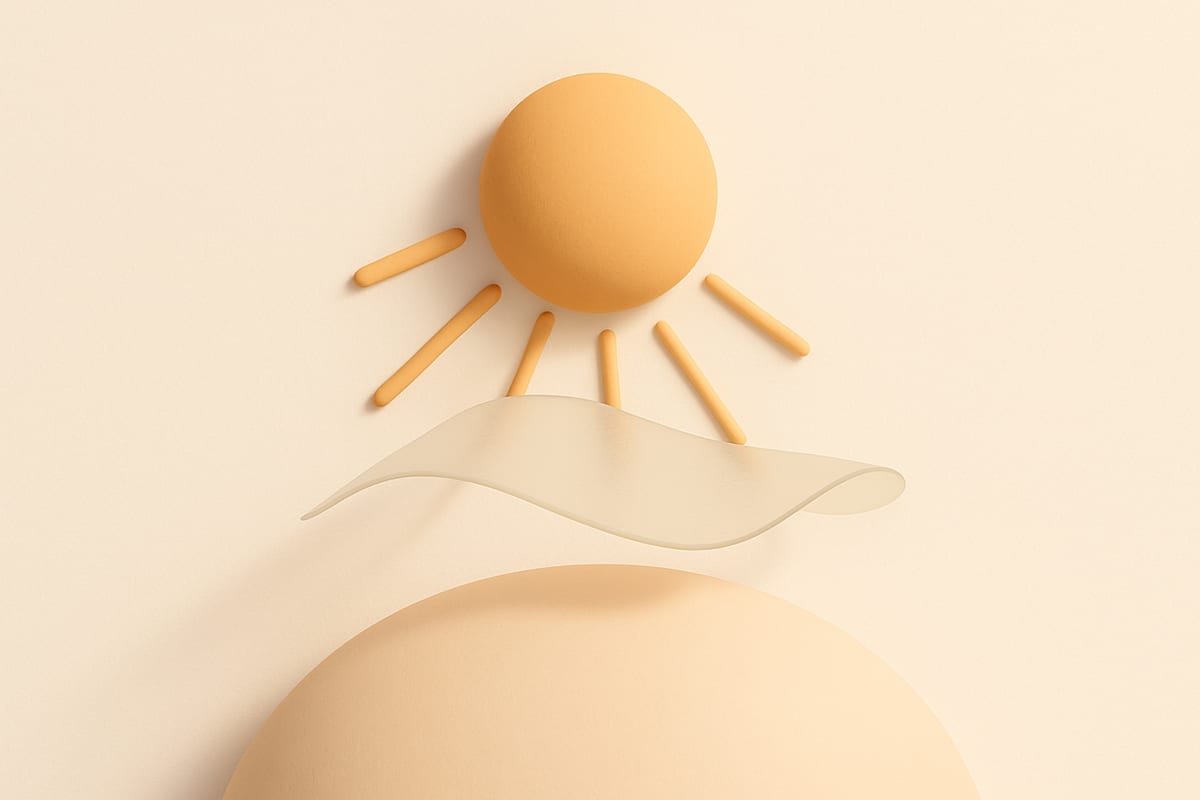
Sunscreens protect in one of two ways, and the choice matters less than the marketing suggests.
- Mineral filters (zinc oxide, titanium dioxide) sit on the skin and both scatter and absorb UV. They tend to be gentle, which suits sensitive or reactive skin, but can leave a white cast, especially on deeper skin tones.
- Chemical filters (such as avobenzone and its relatives) absorb into the top layer and convert UV into a small amount of heat. They usually feel lighter and disappear more easily, but can sting if they migrate into the eyes.
Neither is meaningfully safer or more effective for your skin than the other. They're two routes to the same result.
The best sunscreen is the one you'll actually put on every morning.
Most people use far too little
This is where sunscreen quietly fails. The protection on the label assumes a generous layer, and almost nobody applies that much. Use about two fingers' length of product, or a quarter teaspoon, for the face and neck alone. Skimp on it and an SPF 50 might be performing like an SPF 15.
If you're spending real time outdoors, reapply every couple of hours, because filters break down and sweat and touch wear them away. For an ordinary indoor day, a proper morning application is generally enough on its own.
The myths worth dropping
- "I'm inside all day." UVA comes through windows, so a morning layer still earns its place. You just don't need to reapply without real sun exposure.
- "My skin is dark enough." Deeper skin has more natural protection but still accumulates UV damage and pigmentation. Sunscreen still matters.
- "My makeup has SPF." The amount you'd apply for foundation is nowhere near enough coverage to rely on. Treat it as a bonus, not the plan.
- "SPF 100 is twice SPF 50." The jump in actual protection past SPF 30 is small. Applying enough and reapplying matters far more than chasing a bigger number.
What to do
Pick one broad spectrum sunscreen at SPF 30 or higher that feels good enough to wear daily, and make it the last step of every morning routine. Reapply when you're out in real sun. That's it. It's the least glamorous product on the shelf and the highest return on effort in all of skincare.
This article is general information. It does not replace advice from a dermatologist or doctor.